
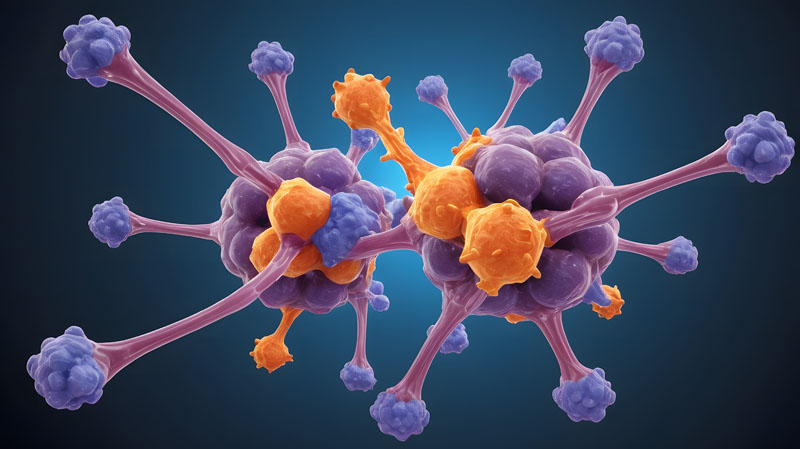
Presenting new options for refractory cancers and autoimmune diseases, bispecific antibodies (BsAbs) target two molecules and drive synergistic effects.
As many mAbs near the patent cliff, BsAbs provide companies with a strategy to extend their antibody franchises while developing ever more advanced treatments.
Their commercial allure is strong, with predictions that the global BsAb market will grow at a CAGR of more than 44% until 2030.1
A recent article in Nature highlighted them as accounting for a quarter of the top 20 highest-grossing deals in 2025.2
Accelerating BsAb development — without sacrificing quality and safety — has become an urgent priority. However, BsAbs have inherent complexities that pose substantial barriers to their development and production.


