


Capricor Therapeutics has received a second rejection from the US FDA for its investigational cell therapy, deramiocel, following regulatory concerns around clinical trial data integrity and the reliability of evidence submitted to support its use in Duchenne muscular dystrophy (DMD).
The US-based biotech announced on Friday that it had received a Complete Response Letter (CRL) for its resubmitted Biologics License Application (BLA), with the FDA concluding that the available evidence was insufficient to establish substantial evidence of effectiveness.
The regulator identified serious deficiencies in the conduct of the pivotal Phase III HOPE-3 study, including unauthorised changes to the statistical analysis plan after the trial had begun, violations of blinding procedures and additional protocol breaches.
According to the FDA, these issues "compromised the reliability of the clinical data" and could not be corrected retrospectively.
The agency also raised concerns about whether the study had met its pre-specified primary and secondary efficacy endpoints.
The findings follow on from a Bioresearch Monitoring inspection conducted as part of the BLA review.
The FDA also issued a Regulatory Responsibility Letter outlining the inspection-related concerns, which Capricor will now have an opportunity to address.
Second regulatory setback for deramiocel
The decision is the second time the FDA has declined to approve deramiocel, an allogeneic cardiosphere-derived cell therapy, following an initial CRL in July last year.
Capricor subsequently worked towards a revised regulatory submission, drawing on additional clinical evidence from HOPE-3.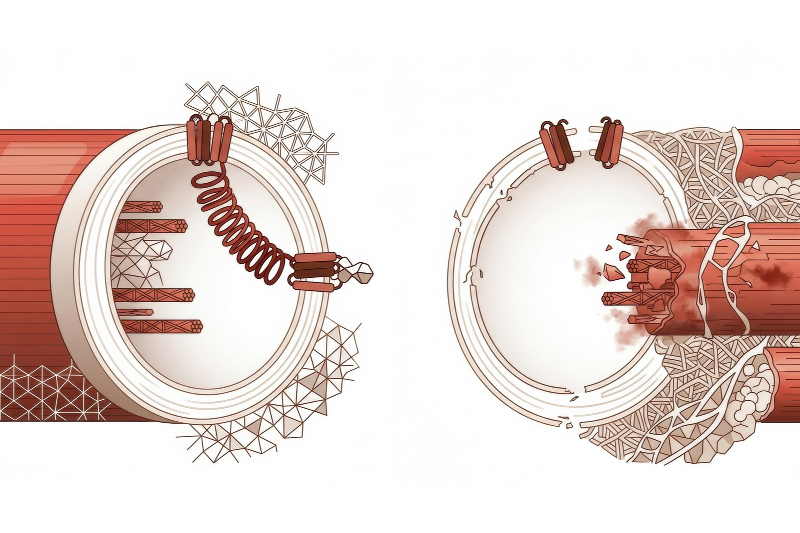
The original application focused on treating cardiomyopathy associated with DMD, but following an advisory committee meeting in July of this year, the company amended its proposed indication to target upper-limb impairment instead.
The revised submission included 24-month open-label extension data, additional analyses and an integrated summary of efficacy across the HOPE-2 and HOPE-3 trials.
However, the FDA's July advisory committee had already raised questions about the strength of the clinical evidence, with members voting nine to three against the proposed cardiomyopathy indication.
Capricor disputed the latest decision, with CEO Linda Marbán stating: "Deramiocel has been studied in two randomised, double-blind, placebo-controlled trials, HOPE-2 and HOPE-3, both of which met their primary endpoints."
We stand behind the rigour of our clinical programme and the integrity of our data and we believe the data support approval.
"We are reviewing the letter carefully and will share next steps once we have completed our evaluation.”
The company said it was reviewing the CRL.
Manufacturing investment faces uncertainty
The rejection also creates uncertainty around Capricor's preparations for potential commercial production.
Ahead of the regulatory decision, the company had been advancing manufacturing infrastructure at its San Diego facility, which is designed to support clinical and potential commercial production of deramiocel under cGMP requirements.
Its third-quarter 2026 update confirmed that the facility was operational, with a second-floor cleanroom expansion underway and validation targeted for the first half of 2027.
The expansion was intended to support future manufacturing requirements as the company prepared for a potential launch.
The company had also been increasing its investment in manufacturing and pre-commercial activities, with operating expenses reaching approximately $124.4m for the first nine months of 2026, compared with $79m during the same period in 2025.
However, Capricor's experience demonstrates that manufacturing readiness and promising clinical findings cannot compensate for deficiencies in the integrity of the evidence supporting a marketing application.


