

Novartis has had to pause eight clinical trials of its experimental gene therapy after three patients died.
The therapy, called rap-cel, targets autoimmune and neurological disorders.
It is an autologous CD19-targeted CAR-T therapy designed to reprogramme patients’ own T cells to eliminate CD19-expressing B cells and is manufactured using the company's T-Charge platform.
The pause was initiated after three cases of immune effector cell-associated hemophagocytic syndrome (IEC-HS) were detected.
IEC-HS is a rare and life-threatening systemic inflammatory side effect associated with immunotherapies such as CAR-T cell therapy.
Novartis confirmed the studies affected had been assessing the therapy in conditions such as lupus, systemic sclerosis and arthritis, among others. Screening, randomisation and treatment administration across the studies have been put on hold.
The company added that it is sharing information with health authorities and will continue to monitor patients who have already received the treatment.
However, the firm's ongoing oncology programme — currently in Phase I/II for chronic lymphocytic leukaemia/small lymphocytic lymphoma, diffuse large B-cell lymphoma, adult acute lymphoblastic leukaemia and high-risk large B-cell lymphoma — has not been halted.
BMS faces similar issues
The news comes as Bristol Myers Squibb also had to halt a similar programme because of immune-related adverse events.
BMS announced a pause in enrollment in its autoimmune trials testing an autologous CD19-targeted CAR-T therapy, zola-cel, due to what it called “transient and reversible inflammatory events."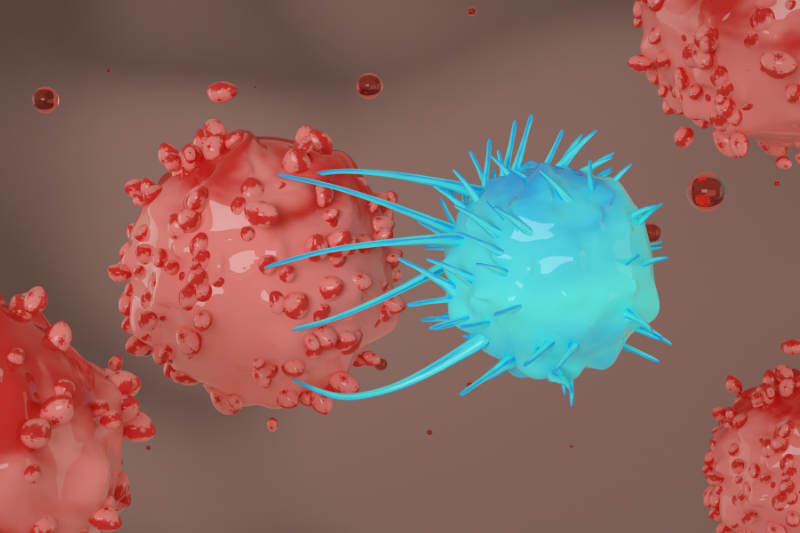
The decision was reportedly made "out of an abundance of caution," with BMS detecting the events during routine safety surveillance.
Both therapies are being developed using rapid manufacturing platforms meant to speed up production compared to earlier CAR-T products.
According to Novartis, its T-Charge platform allows for fewer exhausted T cells and eliminates the need for extended culture time outside the body.
BMS' NEXT T platform is designed to encourage the growth of more uniform and potent T cells, which the company says may produce a deeper and more durable response in patients.
However, according to William Blair analysts, this rapid manufacturing technology may be "driving increased cell expansion and the reported toxicities" — though other factors may also be involved.
One theory explaining the rogue immune responses seen in these trials is that they may have been triggered when the engineered T cells rapidly expanded and activated inside the patient’s bodies.
CAR-T contenders watch closely
Other biotech companies developing their own CAR-T therapies for autoimmune conditions will be observing the situation closely. Cabaletta Bio has several trials in progress, including a late-stage study focused on myositis.
Meanwhile, Kyverna Therapeutics is preparing to submit an application for approval in stiff person syndrome and is currently enrolling patients for a pivotal study in myasthenia gravis.


