
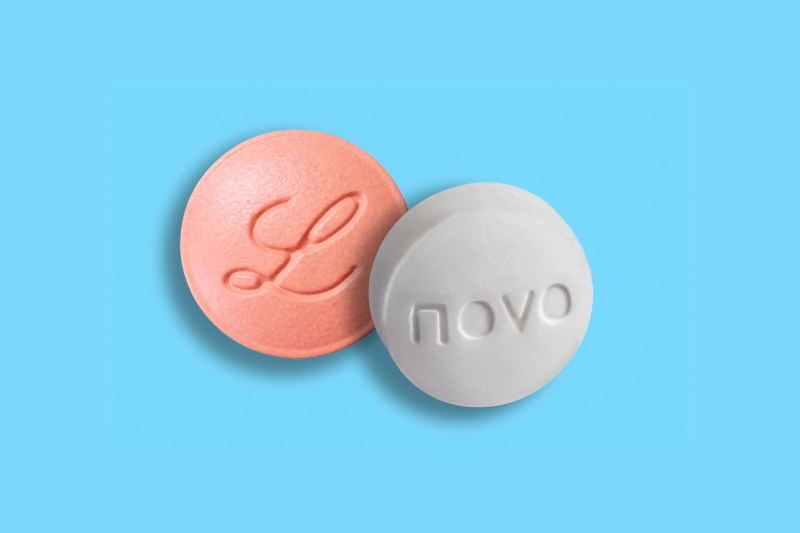
Novo Nordisk has filed a lawsuit against Eli Lilly in the US District Court for the District of New Jersey, alleging the rival drugmaker's advertising for obesity therapy Zepbound and diabetes treatment Mounjaro breaches federal and state false advertising laws, including the Lanham Act.
At issue is Lilly's nationwide ad campaign comparing Zepbound's highest approved dose against lower doses of Novo's Wegovy and Ozempic, which allegedly omitted more recent high-dose data.
Novo's group general counsel John Kuckelman said the comparisons rely on the highest approved doses of Lilly's medicines against lower doses of Novo's Wegovy and Ozempic, while omitting newer, higher-dose versions that Novo says deliver greater weight loss.
The dispute centres on semaglutide 7.2 mg, a higher dose of Wegovy, which was approved by the FDA in March of this year following the Phase III STEP UP trial and became available nationwide in the US in April.
In that trial, the higher dose delivered average weight loss of 20.7% after 72 weeks, up from around 15% with the standard 2.4 mg dose.
Novo argues this brings Wegovy's efficacy in line with Zepbound, undercutting Lilly's comparative claims.
For manufacturing and formulation teams, the case spotlights how quickly dosage-strength innovation is reshaping the competitive obesity therapeutics landscape.
Novo has been scaling production to support the new high-dose formulation, with the product manufactured and packaged at Novo Nordisk's facility in Clayton, North Carolina, part of a broader semaglutide supply chain spanning Denmark, North Carolina and France.
Novo has said it invested in manufacturing capacity to avoid the supply constraints that plagued earlier Wegovy launches, though some tightness was expected for the new pens.
Novo has said that it is seeking a court order forcing Lilly to withdraw the disputed adverts and run corrective advertising, alongside unspecified financial damages and has signalled it will pursue a preliminary injunction if Lilly does not act voluntarily.
The case adds a legal front to an already intense commercial rivalry between the two pharma giants as both race to expand manufacturing capacity and defend market share in the fast-growing GLP-1 category.


