
PPMonitor checks laboratory air quality
Enables effective and flexible management of indoor air quality
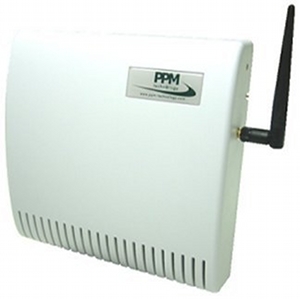
The PPMonitor, from the Caernarfon, Wales firm, can continuously detect, measure and record temperature, humidity, formaldehyde, nitrogen dioxide, carbon monoxide, carbon dioxide, sulphur dioxide, ozone, ammonia and TVOCs.
The device incorporates a variety of advanced gas sensor technologies to monitor the target gases including NDIR, PID and electrochemical sensors.
The wireless units communicate via the Zigbee wireless mesh network, which can be extended by adding repeater nodes or additional PPMonitor or Mini PPMonitor units. Each unit can be configured with unique sensor specifications if required, allowing complete monitoring of the cleanroom air environment.
PPMonitor Units can be wirelessly connected to a Building Management System, in which BMS software allows the entire wireless system to be managed from a single PC. The BMS can activate and control air conditioning and ventilation systems; it can also turn on/off heating and trigger building alarms, if required.
All recorded data is stored automatically with dedicated software, which enables the data to be viewed graphically and produces reports and statistical data. Analysis of the recorded data over time allows for more efficient management of resources and energy.
You may also like
Ingredients
![UKHSA to investigate PFAS exposure in UK population as pharma industry faces regulatory scrutiny]()

UKHSA to investigate PFAS exposure in UK population as pharma industry faces regulatory scrutiny
Read moreThe agency's new biomonitoring study will investigate PFAS exposure across the UK, providing evidence as pharmaceutical manufacturers face growing pressure around the use of forever chemicals
Trending Articles
-
You need to be a subscriber to read this article.
Click here to find out more. -
You need to be a subscriber to read this article.
Click here to find out more.
You may also like
Ingredients
![UKHSA to investigate PFAS exposure in UK population as pharma industry faces regulatory scrutiny]()
UKHSA to investigate PFAS exposure in UK population as pharma industry faces regulatory scrutiny
The agency's new biomonitoring study will investigate PFAS exposure across the UK, providing evidence as pharmaceutical manufacturers face growing pressure around the use of forever chemicals
You need to be a subscriber to read this article.
Click here to find out more.
Click here to find out more.
Packaging
![Embracing healthcare innovation with 2D codes]()

Embracing healthcare innovation with 2D codes
Pharmaceutical manufacturers already serialise medicines using 2D codes to meet regulatory requirements, but a 2D code can be so much more than a tick box for compliance, explains Ian Chapman, Strategic Manager for Digital Coding at Domino Printing Sciences

You need to be a subscriber to read this article.
Click here to find out more.
Click here to find out more.

You need to be a subscriber to read this article.
Click here to find out more.
Click here to find out more.
Regulatory
![A completed reply is not a finalised case: how to test AI intake in pharma]()

A completed reply is not a finalised case: how to test AI intake in pharma
A medical information response marked complete says nothing about safety information that arrives later. Before accepting an AI intake demonstration, ask to see what happens to the next message: who assesses it, what stays pending and which dates are preserved
Manufacturing
![Why CAPA keeps failing and what strong organisations do differently]()

Why CAPA keeps failing and what strong organisations do differently
This white paper examines why CAPA systems often close records without preventing recurrence, tracing breakdowns to investigation quality, risk reasoning, and organisational behaviour rather than procedural gaps. It outlines what differentiates compliant CAPA programmes from those that consistently reduce repeat findings and inspection risk
