
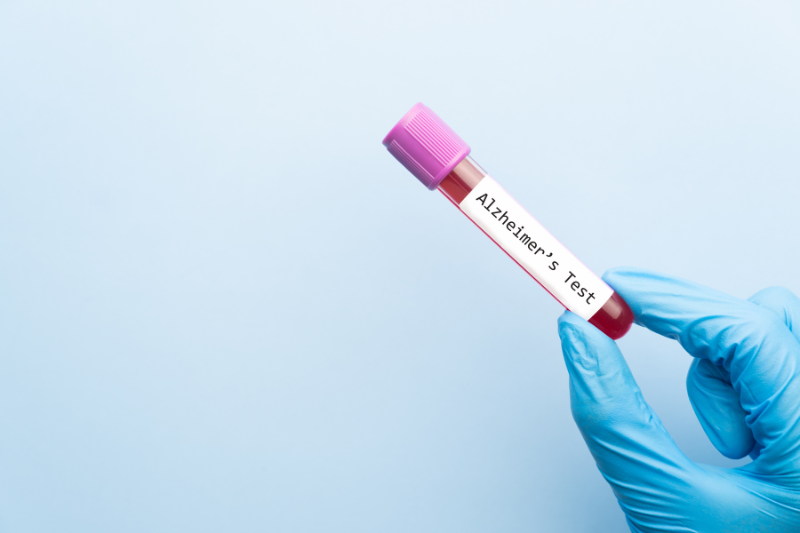
Siemens Healthineers has announced the launch of two new offerings for brain health research.
The company has debuted the brain-derived, fully automated Atellica IM Phosphorylated tau 217 (pTau217) and Atellica IM Brain Derived Tau (BDTau) assays, which are both now available for research use.
Siemens Healthineers offers blood tests that utilise chemiluminescent immunoassays to provide quantitative measurements of brain-derived phosphorylated tau 217 (p-tau217) and brain-derived tau (BD tau). These tests are conducted on the widely installed Atellica Solution IM and Atellica CI analysers.
Blood-based biomarker testing is a less invasive alternative to cerebrospinal fluid testing, which requires a lumbar puncture.
Why this matters
Every year, nearly ten million new cases of dementia are diagnosed worldwide.
Alzheimer's disease is the most common type, accounting for 60-70% of these cases. With time, it affects more individuals, leading to greater dependency on others for care.
The tau protein is a critical factor in Alzheimer's disease. When damaged, the protein misfolds and aggregates into neurofibrillary tangles within neurones, disrupting nutrient transport and causing cell death.
"Siemens Healthineers is laser focused on expanding researchers' access to blood testing that can reduce the burden of invasive testing to better understand these diseases and help address the growing societal impact of neurodegenerative conditions," said Jim Freeman, head of Core Laboratory Solutions R&D for Diagnostics at Siemens Healthineers.
"Our Atellica IM instrument enables the high sensitivity required to detect neurological biomarkers in blood."
"Analyser engineering is very important for amplifying the signal we need to achieve reliable results using blood tests," said Dr Henrik Zetterberg, an internationally renowned neuroscientist known for his pioneering research on biomarkers of Alzheimer's disease and other neurodegenerative disorders.
Blood tests are much easier for both patients and doctors—you can scale testing, follow patients, or perhaps prepare a biomarker portfolio.
Siemens Healthineers said it is involved in several research collaborations to advance the earlier detection and characterisation of neurological diseases using p-tau217 and BD tau biomarkers3-5.
Notably, multi-cohort research studies are underway with PREDICTOM, ACCESS-AD and Banner Sun Health Research Institute.
"We value the opportunity to work with the leading diagnostics companies to advance the fight against Alzheimer's disease and this is a great example," said Dr Nicholas Ashton, senior director of the Fluid Biomarker Program at Banner Sun Health Research Institute in Arizona.
We're working to validate the clinical utility of the plasma p-tau217 biomarker across diverse patient populations to advance early detection of Alzheimer's disease.
"Our findings appear to support the promise of this Alzheimer's blood biomarker in the clinical setting. We look forward to further advancing this research."


