
Test tube gut and liver alternative to animal testing
A group of Scottish scientists are developing a new way to test the toxicity of nanoparticles
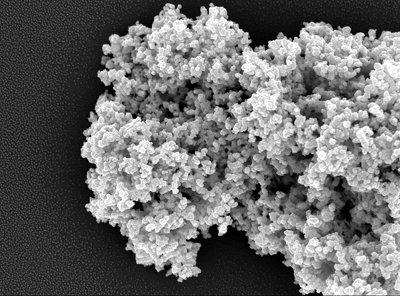
The three-year, £2m, InLiveTox project brings together leaders in nanotoxicology from around the world, including Edinburgh Napier University, to develop a way of testing the toxicity of ingested nanoparticles that does not rely on animals. Instead, a test-tube gut and liver will emulate the response of cells and tissues to ingestion of the tiny particles.
Nanotechnology promises new materials with enhanced properties that perform a variety of roles, including cancer treatment in drugs, stain resistance in clothes and preservatives in food. While there are clear benefits, concerns remain about their safe use.
Dr Gary Hutchison, acting director of Edinburgh Napier’s Centre for Nano Safety, said: ‘Given the widespread use of nanomaterials in variety of everyday products, it is essential for us fully to understand them and their potential impact. We are working with other European specialists on the InLiveTox project to develop a viable, effective alternative to using animals in such testing.
‘A recent change in European chemical safety legislation means that there is a requirement for information on the toxicity of all materials used in significant quantities by 2018. This means there is pressure to investigate thoroughly how substances affect humans in the long term. Animal testing has long been a way of establishing this but it is highly controversial. It is estimated that 3.9 million animals may be needed to adhere to the regulations. Ideally we want to play a part in reducing that number.’
The Centre for Nano Safety is part of Edinburgh Napier University’s Institute for Science & Health Innovation. Its toxicologists work with industry towards the safe use and understanding of the impact of nanomaterials in a variety of everyday products.
You may also like

Trending Articles
-
You need to be a subscriber to read this article.
Click here to find out more.


