

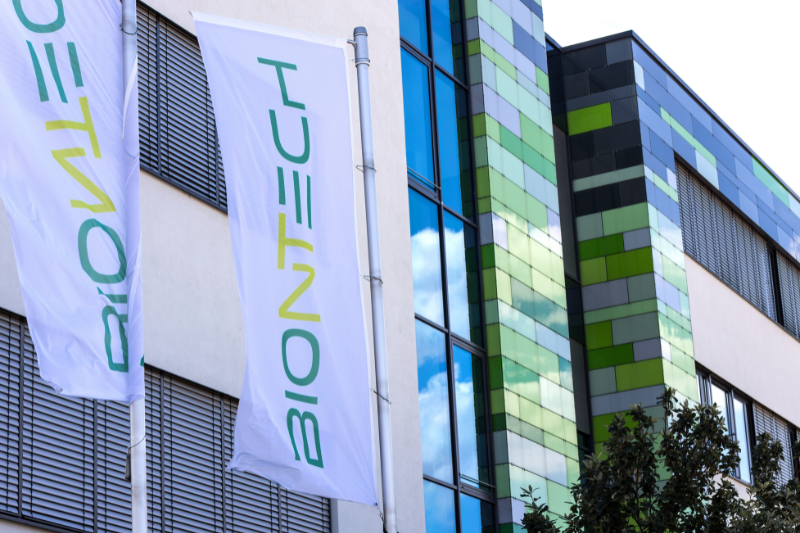
BioNTech has announced it will close three German sites in Idar-Oberstein, Marburg and Tübingen that failed to sell.
The German COVID-19 vaccine manufacturer cited a difficult market and investment environment as the reason it failed to find a buyer for the sites.
"Despite the best efforts of all those involved and a wide-ranging sales process, it has unfortunately not been possible to finalise a sale," said a spokesperson.
The company will also end operations at its Singapore plant, bought from Novartis in 2022.
The move is expected to affect up to 1860 jobs.
The spokesperson added that the biotech firm had agreed with the works council on socially responsible solutions and supplementary redundancy terms for affected staff.
An unsuccessful search for buyers
BioNTech had announced back in May that it would seek buyers for the Idar-Oberstein, Marburg and Tübingen sites, as well as in Singapore, or otherwise wind them down.
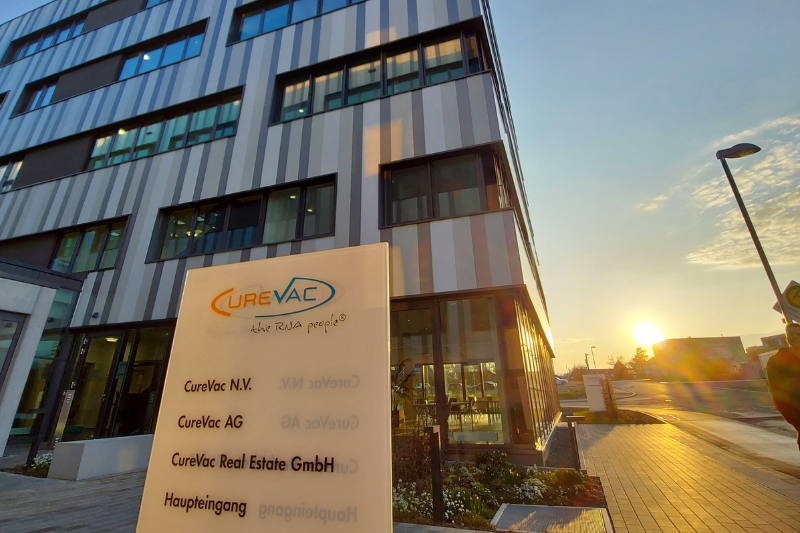 The Tübingen site is CureVac's legacy headquarters, which BioNTech acquired for $1.25bn in 2025. The announcement of the plant's closure prompted anger from both stakeholders and politicians, who said the move undermined "trust in the company's commitments and regional development policy."
The firm had planned to exit the three German sites by the end of 2027, but Marburg is now on track to close at the start of 2028 and Idar-Oberstein at the end of 2028.
Falling COVID-19 demand
The mRNA pioneer said that the move was in order to adjust production capacity in response to a sharp drop in global COVID-19 vaccine demand.
BioNTech aimed to save up to €500 million annually through cost-cutting measures, freeing capital to invest in the development of its oncology medications.
The firm is currently developing several late-stage oncology programmes and has stated that it plans to continue "scaling the business for late-stage development and commercial readiness in oncology."
The company's trajectory mirrors that of Moderna — where falling sales of COVID vaccines prompted the fellow mRNA player to restructure its business as well.
In the autumn of 2023, Moderna reduced its production of mRNA drug substance for its COVID vaccine at contractor Lonza’s facility in Visp, Switzerland.
It also halted plans for a $500m manufacturing facility in Kenya because it has had zero orders since 2022.
The firm is now actively repositioning itself from a pandemic-era COVID-19 vaccine supplier into an oncology-centred mRNA platform company.


