
DNA sequencing pioneer named as BBSRC Innovator of the Year
Prof Shankar Balasubramanian is recognised for the invention of Solexa genome sequencing
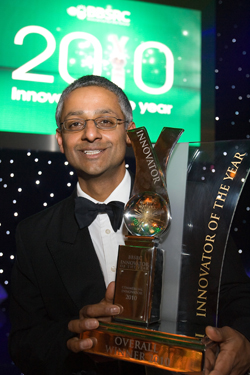
Balasubramanian, from the University of Cambridge, is the inventor of Solexa sequencing, an ultrafast method for sequencing DNA. He founded Solexa with colleagues in 1998. Following several rounds of fund raising and the launch of its core product, The Genome Analyser, the company was sold to Illumina for US$600m in 2007. The Solexa product currently has a 50% market share in next generation sequencing and can sequence a human genome for under US$10,000.
Balasubramanian also won the Commercial Innovator of the Year category.
Dr Michael McArthur from the John Innes Centre was awarded £5,000 as the winner of Most Promising Innovator of the Year for his work on using novel antibacterials to combat drug resistant bacterial infections.
Science and Innovation Minister Lord Drayson said: ‘Turning research into innovation is crucial for our future prosperity. Finding practical applications for scientific discoveries is part of the joy of science. Today's winners make science exciting and relevant, with the potential to generate great benefits for our economy and society.’
Balasubramanian accepted the Innovator of the Year Award on behalf of the many people who have made important contributions to the Solexa project, particularly his departmental colleague, Prof David Klenerman, with whom he co-founded Solexa in 1998.
‘None of this would have happened without the support of BBSRC. Their backing was essential for the blue skies research that gave rise to our original inventions. The continued funding of fundamental science by BBSRC will be an essential part of future enterprises and ultimately, wealth creation,’ he said.
The Innovator of the Year Award, now in its second year, recognises and rewards scientists who are ensuring that the UK's bioscience research is translated into outcomes that positively affect quality of life for everyone.


