

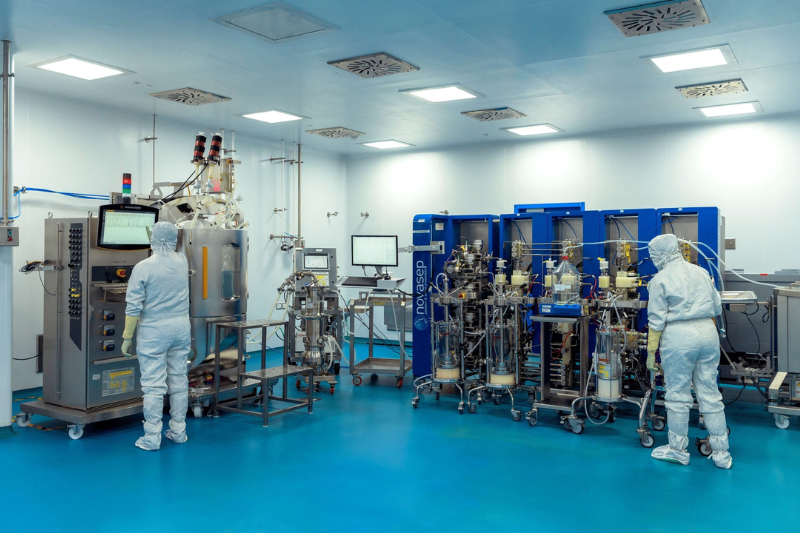
The biotech and continuously innovative development and manufacturing organisation (CIDMO) Enzene has launched its new solution for biomanufacturing, NeX, saying that the model could reduce biologics facility build costs by up to 80%.
The firm described the new model as a "transformative end-to-end partnership model" built on EnzeneX — Enzene's proprietary fully‑connected continuous manufacturing (FCCM) platform.
The solution promises to deliver a local and cost-effective way to manufacture high-yield biomedicines, with Enzene stating that instead of the $300-$400m investment traditionally required for building conventional fed‑batch facilities, the same output could be achieved for $60-$80m with NeX's more compact and integrated setup.
This would enable governments, institutions and biopharma organisations to establish world-class biomanufacturing capabilities wherever they need them, with the firm adding that facilities built under the programme could achieve validation and commercial readiness in under three years.
The programme also includes the following: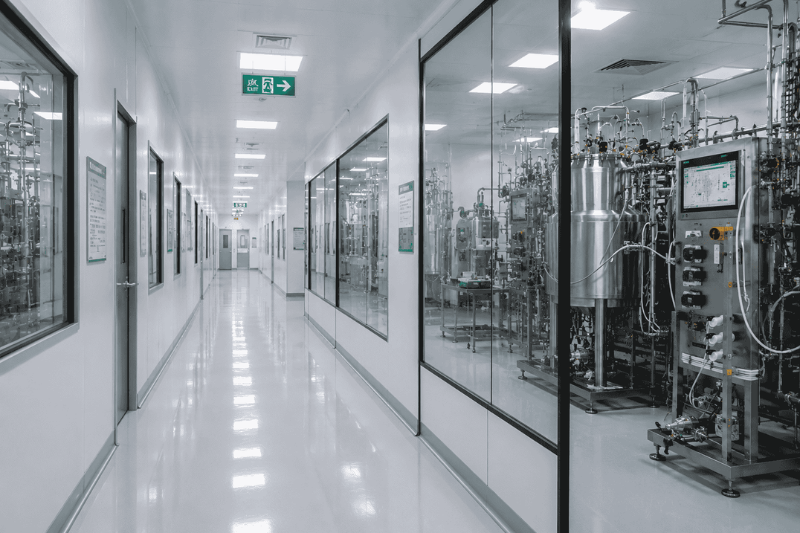
- facility build-out and launch coordination
- technology transfer and IP licensing for the EnzeneX platform
- workforce development through the company’s SparX structured training curriculum
- and ongoing operational support during start-up and commercialisation.
Enzene added that participating organisations could also be granted access to select products from its biosimilar pipeline for manufacture within their own regions.
Dr Himanshu Gadgil, CEO of Enzene, said: “With our fully-connected continuous manufacturing platform... the efficiency comes from a compact, integrated system architecture rather than the scale-intensive layouts of fed-batch facilities, allowing for long-term cost advantage and high product yields for locally manufactured biomedicines."
We are already engaged in discussions with multiple governments and corporations all around the world and are looking forward to helping deliver affordable medicines to patients worldwide.
The NeX programme, Enzene said, will be intended to bridge the gap between where a biologic is made and where it's needed. The model is aimed at reducing reliance on vulnerable supply chains, streamlining supply and reducing the risk of pricing instability.
The company added that it hopes the platform will also develop domestic scientific talent and reduce long-term manufacturing costs for local patients.


