This video is for pharmaceutical, biotech, medical device, and IVD professionals responsible for FDA inspection readiness and compliance. Learn what a Form FDA 483 means, how to develop an effective response within 15 business days and how FDA evaluates inspection outcomes and regulatory risk.
A Form FDA 483 is one of the most important documents a company may receive following an FDA inspection. In this discussion, NFS explores how observations are assessed, why patient risk evaluations are critical, how firms should respond to inspection findings, and what happens when companies disagree with an FDA observation.
Receiving a Form FDA 483 does not automatically mean a facility faces severe regulatory consequences, but it does signal that FDA investigators identified observations requiring management attention and a formal response.
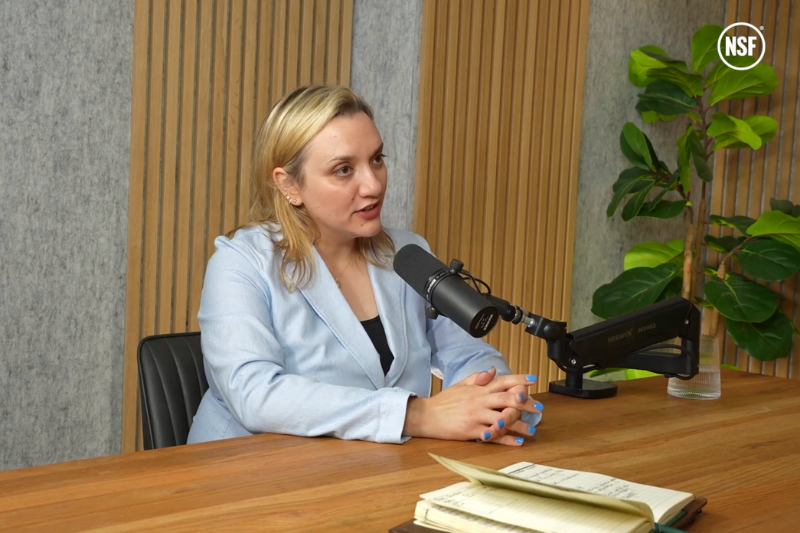
In this episode, NSF examines what happens after an FDA inspection concludes and how organisations should approach the critical 15-business-day response period. The discussion explains the purpose of Form FDA 483, how observations are documented, and why the quality of a company's response can significantly influence FDA's assessment of the inspection outcome.
One of the key themes is understanding that FDA observations are not categorised in the same way many organisations may be accustomed to through other regulatory frameworks. Instead, companies must evaluate the significance of each observation through a structured risk-based approach, with particular emphasis on patient safety and product quality.
The conversation explores the FDA inspection classification process and explains how assessors review responses to determine whether regulatory concerns have been adequately addressed. Organisations must demonstrate not only that they understand the observation, but also that they have investigated the issue, identified root causes, implemented corrective and preventive actions (CAPAs), and assessed potential impact on patients, products, and quality systems.
A major focus is the importance of patient risk assessment. Effective responses go beyond describing what occurred on site. FDA expects firms to evaluate whether the observation could affect product quality, manufacturing controls, environmental monitoring programs, clinical operations, supply chain integrity, validation activities, data integrity, or ultimately patient safety. Organisations that fail to demonstrate this assessment often weaken their regulatory position.
The discussion also addresses a common challenge: what to do when a company disagrees with an FDA observation. Firms are not required to simply accept every observation without question. Organisations can respectfully provide additional context, clarify misunderstandings, present supporting documentation, and explain why they believe a different interpretation may be appropriate. However, even when disagreements exist, companies must still demonstrate a comprehensive evaluation of risk and maintain a constructive, evidence-based dialogue with regulators.
For pharmaceutical, biotech, medical device, and IVD organisations, understanding post-inspection expectations is critical to maintaining compliance, protecting product supply, supporting commercialisation activities, and sustaining regulatory confidence. This episode provides practical guidance for quality leaders, regulatory affairs teams, executive management, manufacturing leadership, and compliance professionals navigating FDA inspections and quality system oversight.
NSF looked at the following issues
- What does a Form FDA 483 actually mean after an FDA inspection?
- How should companies structure an effective 15-business-day response?
- Why is patient risk assessment one of the most important parts of a Form 483 response?
- Can a company respectfully disagree with an FDA observation?
- How do FDA inspection classifications influence future regulatory actions?