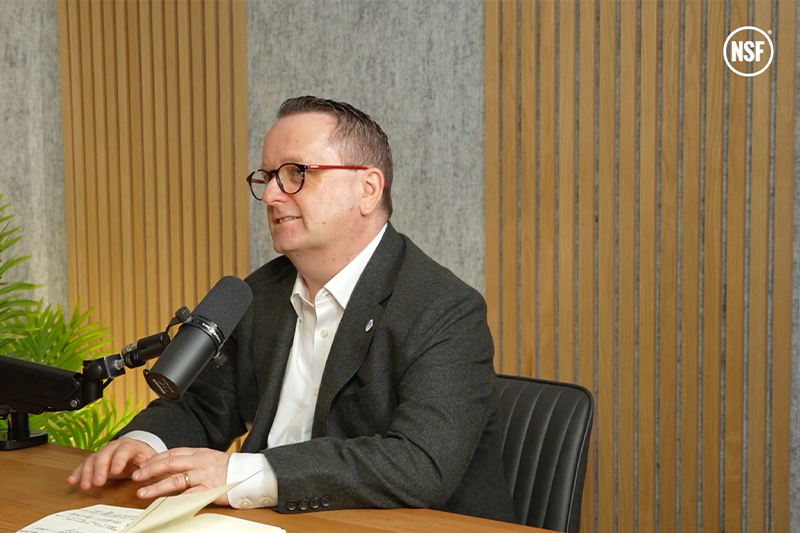
This video is for pharmaceutical, biotech, medical device, and IVD leaders preparing for FDA inspections and strengthening quality system performance. Learn why executive oversight matters, how inspectors evaluate quality culture, and what organisations should do before an inspector arrives on site.
FDA inspections increasingly focus on management responsibility, quality culture, and organisational support for compliance. In this discussion, NSF explores why quality is everyone's responsibility, how inspection expectations have evolved, and what senior leadership teams need to understand about supporting quality systems before, during, and after an FDA inspection.
Successful FDA inspections begin long before an investigator arrives at the facility. Organisations that consistently perform well understand that quality is not simply a department—it is a business-wide responsibility that requires visible support from executive leadership, operational teams, and quality professionals.
In this conversation, NSF examines the growing emphasis regulators place on management oversight, quality culture, and organisational accountability. FDA warning letters frequently reference insufficient executive oversight, inadequate support for quality functions, and failures in governance. As a result, senior leaders must understand how quality systems operate and ensure that quality teams have the authority, resources, and organisational support necessary to maintain compliance.
The discussion explores how FDA inspectors assess an organisation's commitment to quality, including reporting structures, decision-making authority, resource allocation, and day-to-day operational behaviours. Beyond documented procedures, inspectors often evaluate whether quality is genuinely integrated into manufacturing, clinical operations, supply chain activities, validation programs, training systems, and overall governance.
The conversation also highlights how FDA inspections have evolved over time. Organisations that rely solely on past inspection experience may overlook changing regulatory expectations, modern quality system requirements, risk-based inspection approaches, data integrity considerations, and increased scrutiny of management responsibility.
Equally important is inspection readiness. Companies should develop structured inspection-response processes, train personnel regularly, conduct realistic mock inspections, and establish clear communication pathways before inspectors arrive. Organisations that prepare effectively are more likely to demonstrate confidence, consistency, and compliance throughout the inspection process.
Whether you operate in pharma, biotech, medical devices, or IVD, this discussion provides practical insight into quality systems, regulatory strategy, compliance management, governance, training, GxP operations, patient safety, manufacturing excellence, digital transformation, AI-enabled quality initiatives, commercialisation support, and leadership accountability.
NSF looked at the following issues
- Why does FDA place so much emphasis on executive management oversight during inspections?
- How can senior leadership demonstrate meaningful support for quality systems?
- What signals do FDA inspectors look for when evaluating quality culture?
- How have FDA inspection expectations changed over the last decade?
- What should organisations do before an FDA inspector arrives on site?