

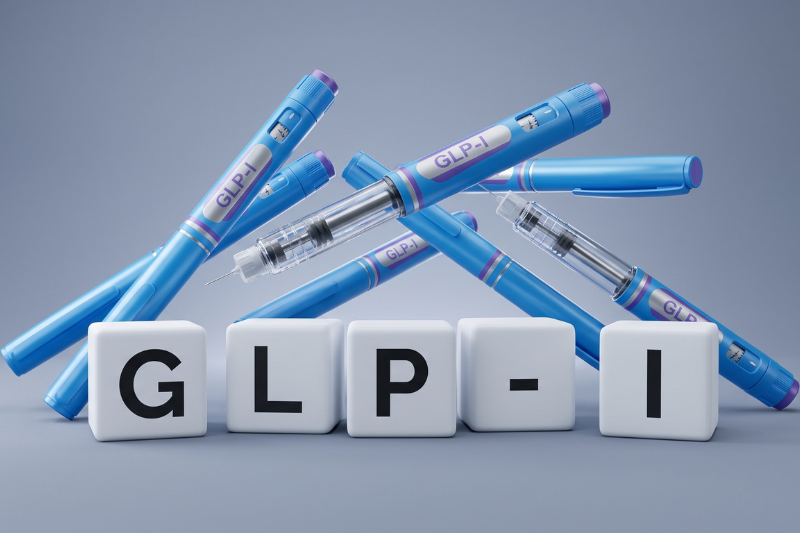
The GLP-1 race is moving beyond injectables. This week brought detailed Phase III data for Eli Lilly's triple-agonist retatrutide, a major oral-pill licensing deal for Novo Nordisk and new preclinical and early-stage programmes aimed at alternative delivery routes.
Here is Manufacturing Chemist’s take on what manufacturers and formulators need to know.
Eli Lilly: retatrutide delivers in type 2 diabetes and obesity
Eli Lilly has announced detailed results from TRIUMPH-2, a Phase III trial of retatrutide, an investigational GIP, GLP-1 and glucagon triple hormone receptor agonist, in adults with type 2 diabetes and obesity or overweight.
The data was presented at the 62nd Annual Meeting of the European Association for the Study of Diabetes (EASD) in Milan and published in The Lancet.
At 80 weeks, participants taking the 12 mg dose lost an average of 49.6 lbs (20.8% of body weight). Those with a baseline BMI of 35 or higher lost an average of 60.8 lbs (23.4%). More than half (59.5%) of those on 12 mg no longer met the BMI criteria for obesity by the end of the study.
A1C fell by up to an average of 1.6%, with up to 40.0% of participants reaching a level below 5.7%. The highest dose also reduced triglycerides by 39.5% and systolic blood pressure by 10.8 mmHg.
The most common adverse events were gastrointestinal, including diarrhoea, nausea and vomiting, although Lilly said these were generally mild to moderate. Discontinuation due to adverse events was 3.8% (4 mg), 11.6% (9 mg) and 7.7% (12 mg), against 4.9% for placebo.
Lilly said that it plans to submit a Biologics License Application (BLA) to the FDA in Q1 2027.
Novo Nordisk presents data on semaglutide and strikes $2.6bn China deal
Novo Nordisk also presented at EASD, with a retrospective analysis of claims data from 636,525 adults with type 2 diabetes on semaglutide 1 mg.
Those who escalated to semaglutide 2 mg were associated with a statistically significant six per cent lower risk of major adverse cardiovascular events than those who switched to tirzepatide.
The company acknowledged the limitations, however. The study is observational, so it can only show associations — not causation — plus, residual confounding is possible.
The Danish pharma manufacturer also announced yesterday that it signed a deal with Chinese pharma giant Jiangsu Hengrui Pharmaceuticals.
Novo will pay up to $2.6bn to its Chinese partner for rights to HRS-1596, an experimental weight-loss pill. The deal includes $300m upfront and up to $2.3bn in development, regulatory and commercial milestones. Novo will gain development, manufacturing and commercialisation rights outside Taiwan, Macao, Hong Kong and mainland China.
HRS-1596 is approved in China to begin Phase I trials for weight management and type 2 diabetes. Novo says it could be developed as a once-weekly oral drug, which would substantially reduce dosing frequency.
The deal highlights the rapid rise of China's GLP-1 drug development industry.
Reuters reports that Novo's shares have fallen more than 70% from record highs amid competition from Lilly, suggesting the Danish pharma giant is trying to reclaim market share in the race to become the top GLP-1 provider.
Landmark Medicines advances nasal GLP-1 platform
UK-based Landmark Medicines has announced plans to take its proprietary intranasal delivery platform into a human volunteer study, with GLP-1 receptor agonists as the first application.
The company said that it is evaluating candidate molecules, including semaglutide, before making a final selection.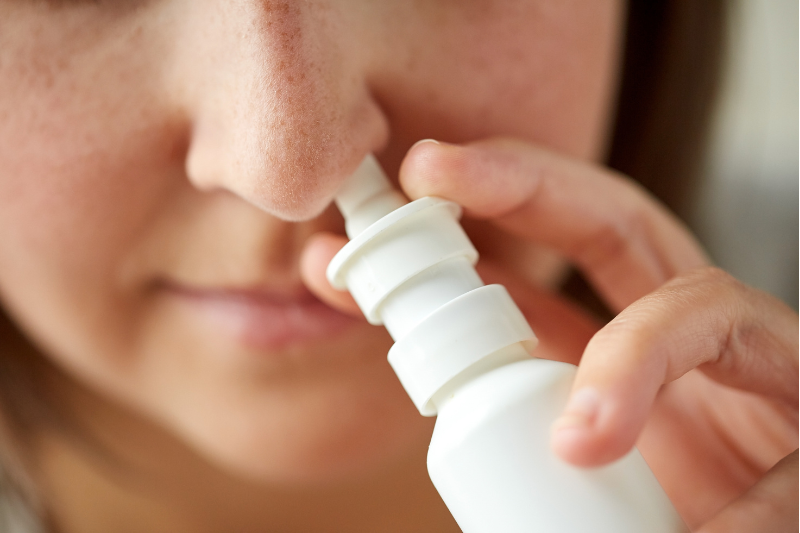
The platform is designed to be formulation-agnostic and is the subject of multiple patent filings.
The first study will focus on pharmacokinetics, systemic bioavailability, dose requirements, safety and tolerability, with this data determining whether nasal administration can offer meaningful advantages compared with existing approaches.
Landmark also intends to investigate a potential nose-to-brain pathway separately.
Insilico Medicine nominates AI-designed GIPR antagonist
Insilico Medicine has nominated ISM1354, an AI-designed small molecule GIPR antagonist, as a preclinical candidate for obesity and related disorders.
The company is positioning it as a safer alternative after several GIPR candidates stumbled in trials because of toxicity and tolerability issues.
In preclinical studies, ISM1354 showed oral bioavailability of 75-104% across mice, rats, dogs and monkeys. It also delivered at least 18-fold greater plasma exposure than a clinical-stage benchmark compound.
A non-GLP monkey toxicology assessment found no significant toxicity and an estimated margin of safety of around 45-fold. Insilico says this supports moving into GLP toxicology studies.
An earlier GIPR antagonist, ISM0676, achieved up to 31.3% weight loss in humanised mouse models when combined with semaglutide.
What this means for pharma manufacturing
Taken together, news from both big and small players points to a market diversifying in both molecule class and delivery format. Oral small molecules, once-weekly pills and nasal peptide delivery would each place different demands on formulation, bioavailability optimisation and supply chain capacity.
With Lilly's filing due in Q1 2027 and Novo building out its oral pipeline, manufacturers serving the GLP-1 space should expect sustained pressure on both capacity and innovation.


