
Octane Biotech and Currus Biologics have automated the production of CUR-001, Currus’ lead clinical candidate, on Octane’s Cocoon Platform.
The closed, reliable process will support CUR-001’s clinical development. Currus is developing BEAT, a proprietary universal bispecific antibody platform designed to extend CAR T-cell therapy to solid tumours.
The milestone follows the US Food and Drug Administration (FDA) clearance of Currus’ Investigational New Drug application, announced in September 2026.
Currus can now begin a first-in-human, open-label Phase I basket trial in patients with mesothelin-positive advanced refractory solid tumours; first dosing is expected in early 2027.
CUR-001 is the first clinical programme from Currus’ BEAT (Bispecific Engager of Antigen-presenting cells and T cells) platform.
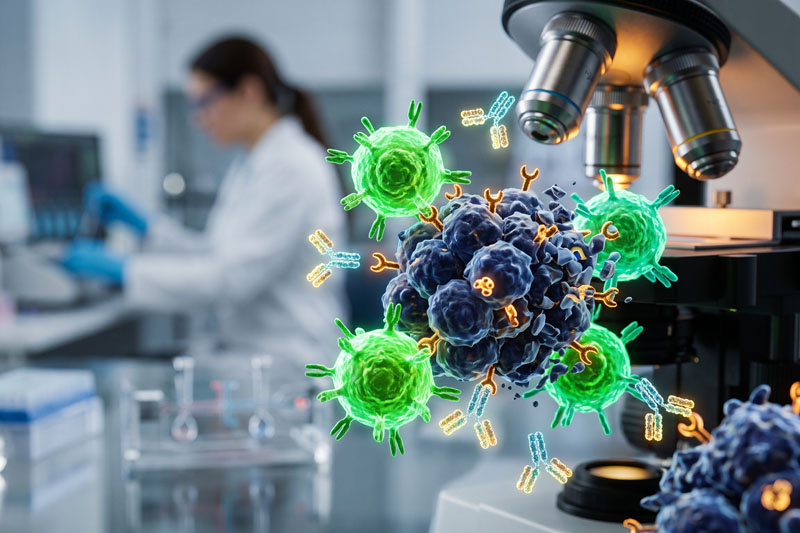
It combines autologous, FLAG-tagged CAR T-cells targeting mesothelin with a bispecific antibody that engages both the CAR T-cells and antigen-presenting cells.
The design aims to activate CAR T-cells in lymphoid tissue and counter the immunosuppressive tumour microenvironment that limits their use in solid tumours.
Transferring CUR-001 manufacturing to Octane’s closed, automated Cocoon Platform significantly reduced operator time and viral vector use — two major cost drivers in autologous CAR T-cell manufacturing. The lower-cost process is designed to support the programme through clinical development.
“IND clearance was a major step; our focus now is making CUR-001 reliably for every patient,” said Sam Cobb, Chief Executive Officer of Currus Biologics.
“The Cocoon gives us a consistent, closed process for the clinic and a manufacturing model that can grow with the programme.”
“Currus is tackling one of cell therapy’s hardest challenges: making CAR T-cells work in solid tumours,” said Louis Briggs, Vice President, Octane Biotech.
“Automating CUR-001 on the Cocoon reduces manual steps and batch variability while creating a process that can scale from Phase I.”
Octane and Currus will continue collaborating through Phase I and later-stage trials to maintain a reproducible manufacturing process that can meet future demand and help bring a new CAR T-cell option to patients with hard-to-treat solid tumours.
For Phase I, Cell Therapies Pty Ltd (CTPL) will manufacture CUR-001 on the Cocoon Platform at its Melbourne facility.
The completed technology transfer establishes operational readiness and draws on CTPL’s GMP experience and capabilities in autologous CAR T-cell manufacturing.


