
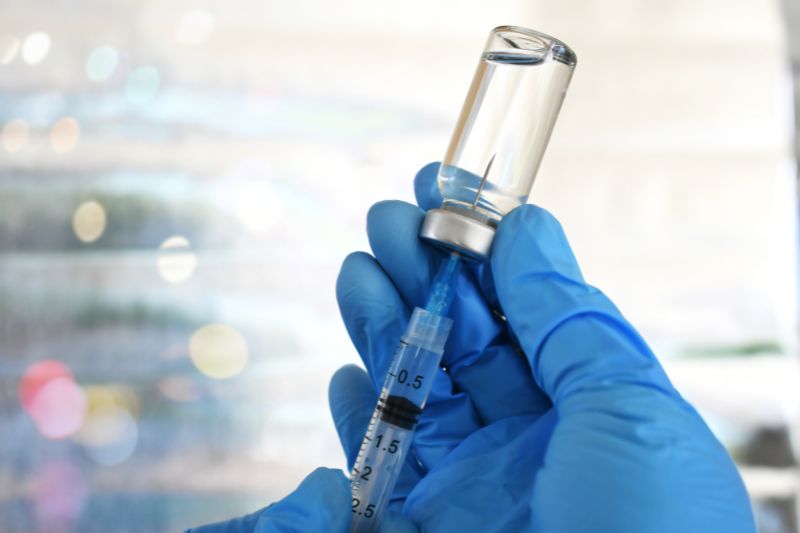
SGS has achieved a breakthrough in infectious disease research with the launch of a novel Respiratory Syncytial Virus (RSV) A-strain challenge agent with proven infectivity in preclinical and clinical stages.
RSV is one of the world’s foremost causes of severe respiratory infections in infants, immunocompromised adults and the elderly, contributing to an estimated 64 million infections and three million hospitalisations each year.
As health systems continue to face the burden of yearly RSV outbreaks, the need for agile development of effective vaccines and therapeutics has never been greater.
In developing a novel RSV challenge, SGS is advancing in Europe’s efforts to accelerate clinical validation of RSV therapies and vaccines through Controlled Human Infection Models (CHIM).
These models safely promote natural infection in healthy volunteers, enabling high-quality, data-driven assessment of vaccine and therapeutic efficacy before large-scale studies begin.
SGS’s fully-validated, GMP-manufactured RSV-NICA challenge agent is derived from an A-strain that was isolated in 2015.
Being more recent than strains commonly used, it closely reflects currently circulating RSV viruses and demonstrates enhanced ability to reproduce natural infection symptoms, an essential criterion for high-quality CHIM studies.
Early proof-of-concept achieved
To generate early proof-of-concept data, on October 22, 2025, 12 healthy participants were inoculated with the RSV A-strain challenge agent at the SGS Clinical Pharmacology Unit in Antwerp, Belgium.
Strategically located in the heart of Europe, this state-of-the-art centre of excellence features 110 beds, of which 46 beds are under BSL-2 conditions, a fully equipped GMP production facility and a dedicated BSL-2 laboratory space.
The facilities enable timely sample processing and ensure rapid data turnaround to support critical go/no-go decisions.
To generate early proof-of-concept data, 12 healthy participants were inoculated with the RSV A-strain challenge agent at the SGS Clinical Pharmacology Unit in Antwerp, Belgium.
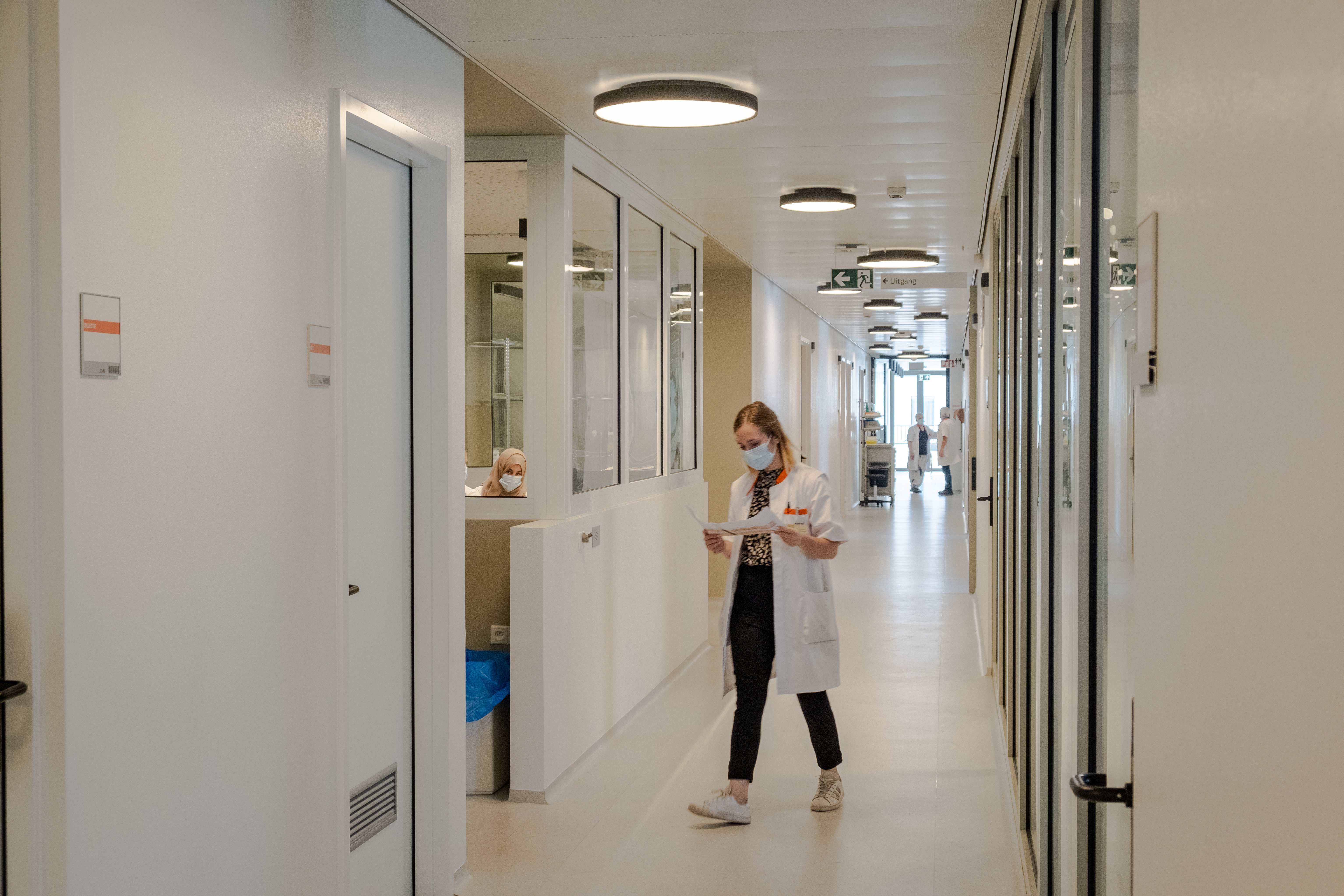 Participants remained in a controlled quarantine environment for 11 days post-inoculation, during which standardised daily assessments of solicited symptoms and nasal swabs for qPCR and viral culture were performed.
One participant was excluded from the analysis due to a confirmed Rhinovirus co-infection.
Among the remaining participants, nine developed clinically relevant symptoms and all 11 demonstrated RSV detection by qPCR confirmed by viral culture, resulting in a 100% attack rate for this proof-of-concept cohort.
This study empirically validates the current inoculation titre as suitable for use in a CHIM.
Furthermore, the observed potency of the RSV-NICA agent indicates that dose titration may be feasible without compromising statistical power, enabling optimisation for future challenge studies.
Jelle Klein, Medical Director, SGS, said: "As a leading European partner in infectious disease and vaccine research, we are delighted to have fulfilled our ambition to accelerate the route to clinical validation of novel RSV therapies and vaccines, bridging preclinical insights to human data through the development of this RSV-A strain challenge agent, the first of its kind worldwide."
"There is an urgent need to ensure that vaccines and therapeutics remain effective, available and affordable for patients."
"Today’s announcement reinforces SGS’s position as a trusted partner, delivering high-quality, decision-enabling data for both pharmaceutical and biotech companies in their pursuit of effective RSV treatment and prevention."
Next steps
SGS can now support partners in accelerating the path to market for promising RSV vaccines and therapeutics.
With the addition of RSV, SGS now offers one of the most comprehensive CHIM portfolios in Europe, including influenza, rhinovirus, malaria and RSV, further strengthening its role as a trusted partner for early-phase vaccine and therapeutic development.


