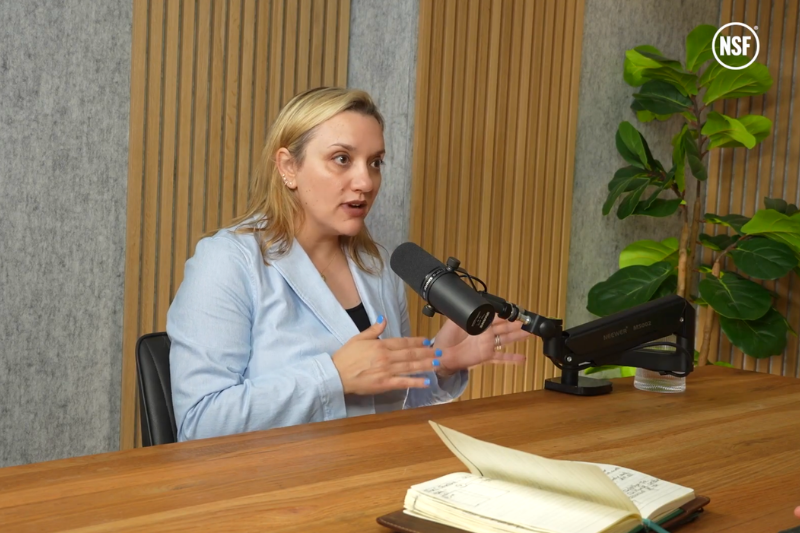
This video is for pharma, biotech, and quality leaders responsible for FDA inspection readiness. Learn how to prepare for surveillance and pre-approval inspections, build a culture of continuous compliance, and reduce regulatory risk.
In this discussion, NSF breaks down the different types of FDA inspections and what organisations must do to remain inspection-ready at all times. From routine surveillance inspections to high-stakes pre-approval inspections tied to NDA or BLA submissions, the conversation highlights practical strategies for building sustainable readiness across quality systems, manufacturing operations, and laboratory environments.
FDA inspections are an ongoing reality for pharmaceutical, biotech, medical device, and IVD organisations operating in regulated environments. Understanding the differences between inspection types—and how to prepare effectively for each—is critical to maintaining compliance, protecting patient safety, and supporting successful commercialisation.
This video explores the key distinctions between routine surveillance inspections and inspections triggered by regulatory submissions such as NDAs and BLAs. While surveillance inspections are increasingly unannounced and require a steady state of readiness, pre-approval inspections demand a more structured and intensive preparation timeline aligned with regulatory strategy and product lifecycle milestones.
A central theme is the importance of embedding inspection readiness into everyday quality culture. Organisations cannot realistically operate at peak inspection vigilance at all times, but they must ensure that operators, quality teams, and laboratory analysts are consistently prepared to respond to FDA investigators. This includes confidence in answering questions, demonstrating data integrity, and navigating GxP expectations across manufacturing and clinical support functions.
For organisations approaching a regulatory submission, the discussion outlines a practical roadmap:
- Begin readiness efforts approximately 12 months before the anticipated inspection
- Conduct deep assessments of quality systems to identify trends and systemic risks
- Address gaps in compliance, validation, and governance early
- Execute mock inspections 3–6 months ahead of FDA arrival
Mock inspections—especially those conducted by former FDA and international regulators—are highlighted as a critical tool for stress-testing systems, processes, and personnel. These exercises simulate real inspection dynamics, including front room and back room coordination, document retrieval workflows, and on-the-floor interviews with manufacturing and QC staff.
The video also underscores the operational risks of under-preparing. Organisations that treat inspections as a “wait and see” event may expose themselves to significant compliance gaps, regulatory findings, and potential delays in product approval or market access. Effective preparation requires cross-functional alignment across quality systems, manufacturing, supply chain, training, and digital infrastructure.
For life sciences organisations navigating complex regulatory landscapes, inspection readiness is not a one-time initiative—it is a continuous discipline supported by strong quality culture, data integrity, and proactive governance.
NSF looked at the following issues:
- How should pharma and biotech companies differentiate between surveillance and pre-approval FDA inspections?
- When should organisation's begin preparing for an FDA inspection tied to an NDA or BLA submission?
- What role do mock inspections play in reducing regulatory risk and improving inspection outcomes?
- How can companies build a sustainable culture of inspection readiness across quality and manufacturing teams?
- What are the risks of underinvesting in FDA inspection preparation?