

Why oral GLP-1s could create new manufacturing bottlenecks

Shirell James, VP of Supply Chain Advisory at Blue Yonder, explores the manufacturing challenges facing GLP-1 medicines as demand for these therapies continues to grow

The GLP-1 class of medicines has very quickly become a global phenomenon. Approximately 1.6 million people now use them in the UK and the worldwide market is forecast to grow from around $14bn to almost $50bn by 2030.1,2 Whatever the pros and cons of using drugs to achieve weight loss are, it is clear that these therapies currently meet a significant unmet need, writes James (pictured).Why oral GLP-1s could create new manufacturing bottlenecks

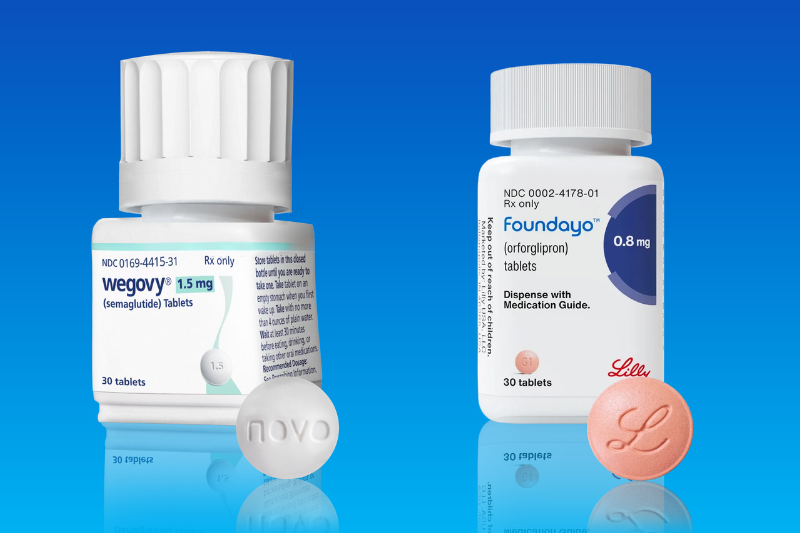
Oral GLP-1 therapies are widely viewed as the next stage in this growth story, with Novo Nordisk’s semaglutide (Wegovy) being authorised in the UK in June and Eli Lilly’s orforglipron (Foundayo) following in August. From the convenience for patients to reduce their reliance on injectable pens and cold-chain distribution, they offer a range of benefits.

It is logical to assume that oral formulations will also ease the supply constraints that have characterised injectable GLP-1 medicines. The reality, however, is more nuanced. Rather than removing supply chain pressures, oral GLP-1s are shifting manufacturing challenges further upstream, with new bottlenecks emerging at different points in the manufacturer-to-customer process.

Manufacturing pressure

Removing cold-chain distribution does not make oral GLP-1 medicines inherently simpler to manufacture or scale. They require substantially larger quantities of active pharmaceutical ingredients (APIs) than injectable formulations.3 They also depend on specialist excipients and absorption enhancers. At the same time, demand for pharmaceutical-grade blister packaging continues to grow.

The need for these components is rising alongside demand for the medicines themselves, creating pressure across multiple tiers of the manufacturing supply chain. As a result, production capacity increasingly depends on the availability of critical inputs from specialist suppliers, making it harder for manufacturers to predict and respond to potential disruptions.Why oral GLP-1s could create new manufacturing bottlenecks
To meet these requirements effectively, manufacturers need greater visibility into the wider supply network. Planning must extend beyond individual production facilities to identify potential constraints before they affect manufacturing. This includes understanding where supplier capacity is becoming limited and how shifts in market needs are likely to affect the availability of critical materials.

Comprehensive end-to-end visibility would empower organisations to model and mitigate the cascading effects of supply chain disruptions on downstream operations. Armed with that knowledge, forecasting can focus more precisely on potential shortages, so adjustments can be made before they become business problems.

Visibility builds resilience

Consider a manufacturer supplying therapies to several countries. Prescription data begins to show consumption accelerating faster than expected in one market. Rather than waiting for that increase to feed through to production orders, planners can model how it is likely to affect the wider manufacturing operation before deciding how best to respond. Organisations can then evaluate different production or sourcing scenarios in advance, helping them to understand the implications of each option before committing resources.Why oral GLP-1s could create new manufacturing bottlenecks

This differs from many existing approaches, which rely on historical forecasts that don’t give manufacturers access to specific or timely market signals. Scenario planning is central to this approach, enabling organisations to model potential shifts in supply chain activity in advance and build the resilience needed to respond to changing market requirements.

The GLP-1 market is still relatively young and as these treatments develop further, manufacturers are likely to see additional demand spikes. Without the visibility and resilience to anticipate future requirements, it will be difficult to meet patient needs.

References: 

  1. https://pmc.ncbi.nlm.nih.gov/articles/PMC12781702/
  2. https://www.grandviewresearch.com/industry-analysis/glp-1-agonists-weight-loss-drugs-market-report
  3. https://pmc.ncbi.nlm.nih.gov/articles/PMC7933596/

You may also like