
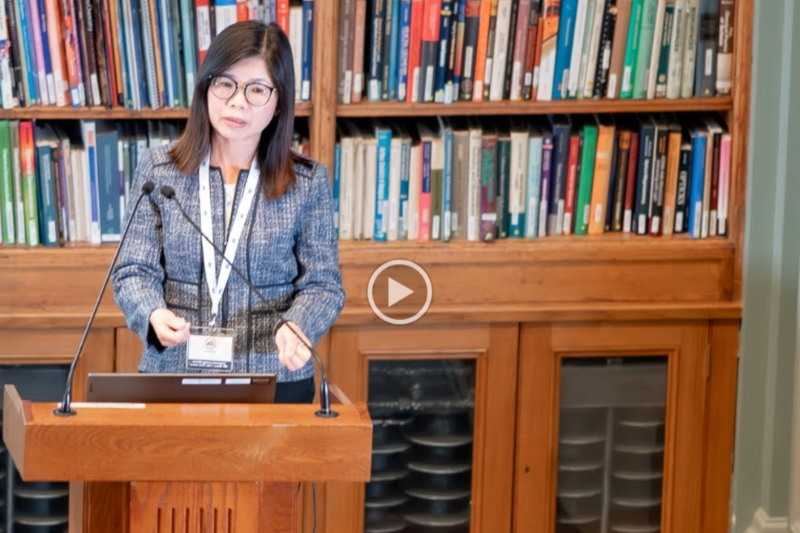
Drawing from her experience leading global AI initiatives at MSD and her work with TOPRA, Sarah presents a practical and detailed walkthrough of how AI is already reshaping R&D, regulatory affairs, clinical operations, and medical information — and what is required for safe, ethical, and effective adoption.
Sarah explains why AI is no longer optional for organisations facing rising R&D costs, longer development cycles, fragmented regulatory requirements, and rapidly growing volumes of multimodal data. She then shares real-world use cases, including:
- AI in early research: accelerating target identification, protein interaction analysis, and compound screening.
- AI in clinical development: assisting with protocol drafting, patient selection criteria, endpoint identification, study team chatbots, patient-facing support tools, and producing first-draft clinical study reports in days rather than months.
- AI in regulatory affairs: large-scale translation, mining regulatory questions to identify trends, generating first-draft responses, and supporting global submission planning by analysing complex strategic factors.
- AI in medical affairs: literature summarisation, insight generation from HCP interactions, congress intelligence scanning, and drafting medical information documents.
- Data readiness challenges: why metadata accuracy, validation, and system interoperability are essential prerequisites for any successful AI program.
She also outlines the current and emerging regulatory landscape, emphasising the need for a risk-based approach, strong governance, human oversight, clear documentation, and output explainability. These safeguards ensure AI enhances product quality, regulatory compliance, and patient safety.
Her core message is clear: AI is not just an operational tool — it is a strategic enabler. To harness its full value, pharma organisations must invest in technology, people, training, cross-functional collaboration, and responsible frameworks for implementation.
This presentation provides actionable insights and real examples that teams can begin applying immediately.