


The pharmaceutical contract development and manufacturing (CDMO) landscape is facing increasing demand for advanced capabilities driven by the rising complexity of therapeutic modalities.
Antibody-drug conjugates (ADCs), bispecific antibodies, RNA‑based therapies and next-generation bioconjugates are no longer niche frontiers; they are central to the development pipelines that CDMOs are now expected to support.
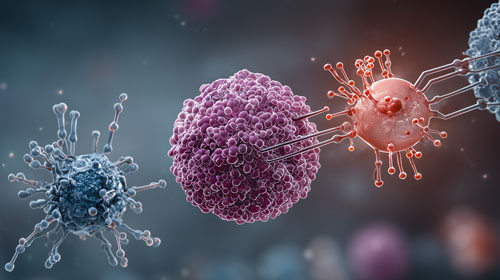
This, however, demands far more than a production line. These modalities require sophisticated process understanding, advanced analytical frameworks, seamless technology transfer and close integration across development, manufacturing, quality assurance and supply chain operations.
Sangkyu Hwang, Senior Director, Head of MSAT Technical Excellence at Samsung Biologics, reports.
Consider ADCs alone: a CDMO must harmonise large-molecule biologics manufacturing with high-potency small-molecule chemistry, conjugation technology and rigorous analytical control … all while maintaining process robustness scalable to commercial volumes.
The same dynamic applies to emerging RNA and multispecific antibody platforms when technical teams must build process knowledge while preserving platform flexibility and efficient lifecycle management.
The organisations best positioned to deliver are those whose technical teams are not merely capable but genuinely integrated.
Scientific depth must be paired with operational agility and cross‑functional co‑ordination.
Biopharmaceutical companies are therefore selecting CDMO partners based not only on infrastructure but also on the strength of their technical organisations and collaborative ability to solve complex manufacturing challenges efficiently.
The partner must combine scientific depth, operational agility and cross-functional leadership to accelerate innovative therapies from development to commercial supply.
The strategic tension: breadth versus depth
Even as integrated expertise becomes the baseline expectation, biopharma companies face a familiar strategic tension: breadth versus depth.
The convenience of a one-stop shop remains appealing to clients seeking to expand their resources.
For emerging modalities such as multispecifics and bioconjugates, however, expertise and track record are increasingly valued.
This is particularly true for ADCs when experience with specific conjugation technologies is sought after. But when two CDMOs offer comparable specialised expertise, the one-stop shop tends to win out.
The decision ultimately comes down to risk tolerance.
Seamless project management means fewer internal resources are needed for oversight, making it a more attractive risk mitigation option.
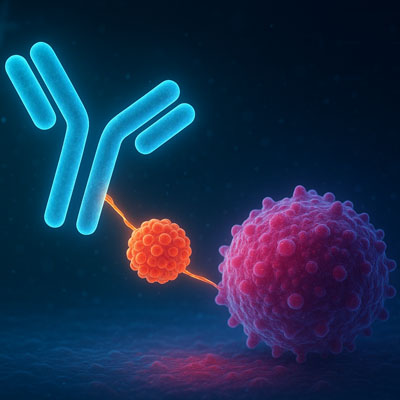
A proven track record further reduces that oversight burden and instils greater confidence in the partnership, becoming a key differentiator when technical capabilities are comparable.
This is where Samsung Biologics stands out; with 845,000 L of manufacturing capacity and dedicated bioconjugation infrastructure, the company offers seamless end‑to-end CDMO services.
As with traditional therapeutic modalities, expertise and quality remain the most important considerations overall.
Although specialisation in an advanced modality is valuable, it does not guarantee an ideal partnership.
Other factors, such as manufacturing capacity, organisational culture, timelines and goal alignment must also be weighed in the final sourcing decision to mitigate risk and foster a successful, long-term collaboration.


