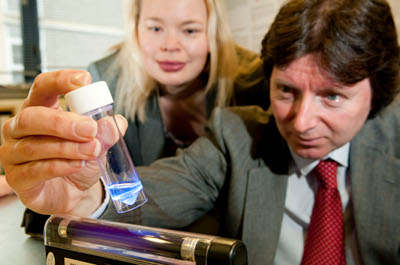
AssayMetrics to commercialise prototype plate reader for use in the pharmaceutical and biotechnology industries
AssayMetrics has secured an undisclosed equity investment from Finance Wales to commercialise a prototype plate reader for use in the biotechnology and pharmaceutical industries.
The early stage business has also received investment from a syndicate of business angels.
Dr Pierre Graves formed AssayMetrics in 2004. The following year, two senior scientists, Dr John Whateley and Dr Anthony Smith, joined the company.
In 2006 the company launched its chemical dye reagents, which are used in the biotechnology and pharmaceutical industries for compound screening. It subsequently developed its own Puretime novel fluorescent dye reagents before embarking on the development of a prototype plate reader, which added analytical instrumentation to its dye-based products.
According to AssayMetrics, a number of customers have expressed a wish to act as beta test sites for this plate reader.
‘The drug discovery market continues to grow despite the recession and we are delighted to be able to place a technology in the hands of customers that will make the process faster and more efficient,’ said Graves, chief executive of Assaymetrics.
Finance Wales provides commercial funding to small and medium-sized businesses throughout Wales, enabling them to realise their potential for innovation and growth.
A subsidiary of the Welsh Assembly Government, Finance Wales manages funds of more than £280m and has invested more than £157m in Wales-based businesses.