

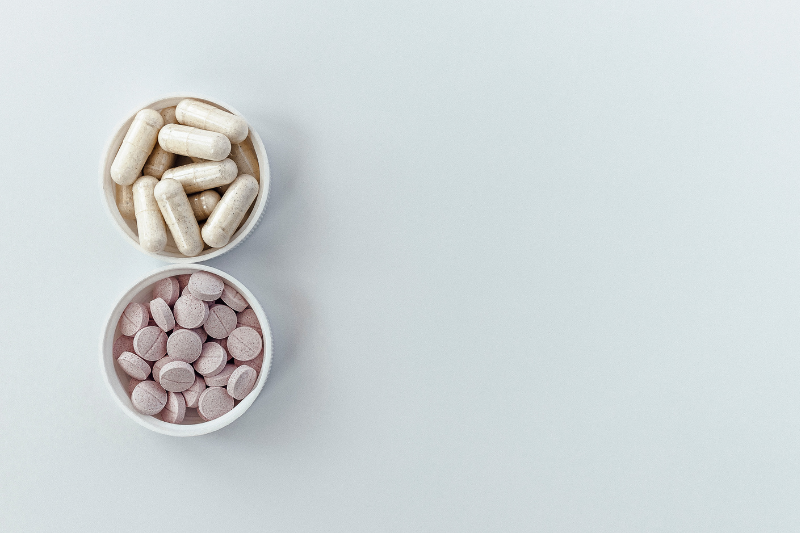
In the nutraceutical world, clean-label excipients have risen from a peripheral health-food trend to mainstream supplements. Health-conscious consumers no longer accept complex labels that list ingredients they don't recognise. They expect to know exactly what is in the tablets, capsules or powders they consume.
Now, the pharmaceutical industry is beginning to feel the same pressure. This shift, which has already led to the increased adoption of clean-label practices throughout the nutraceutical sector, is becoming apparent in Big Pharma, with formulators increasingly prioritising transparency and biological compatibility.
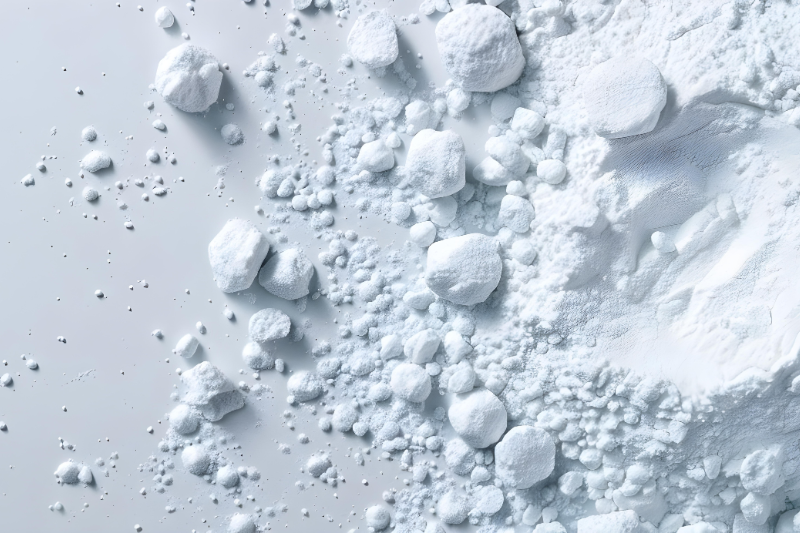 In addition to consumer behaviour, regulatory changes are also forcing manufacturers to consider natural alternatives to longstanding synthetic standards. In 2022, the European Union banned titanium dioxide (E171) in all food and nutraceutical products amid safety concerns, which triggered a “reformulation race” in the sector. The excipient has been the gold standard for providing whiteness in tablet coatings and whereas the EMA has, so far, allowed the continuation of use of TiO2 in medicinal products to prevent drug shortages, it has been under intense pressure to re-evaluate this stance.
Companies such as RIBUS — a food-based functional ingredient supplier — are positioning themselves at the intersection of these two industries and hoping to capture market share as consumers and regulators continue to drive the adoption of transparent ingredient lists. The US-based firm was founded 34 years ago as a food ingredient company, with its expertise in natural, plant-based functional ingredients carrying through into nutraceuticals. Now, pharma represents its next frontier.
 Manufacturing Chemist's Emily Letton spoke with RIBUS Vice President Alicia Kasch to explore where clean-label excipients fit as the pharma and nutraceutical manufacturing worlds converge and how the company is navigating the change.
Tentative footsteps
The pharmaceutical industry has traditionally prioritised regulatory certainty above label friendliness. However, there are numerous reasons why a company may consider moving to more natural products in its formulations.


